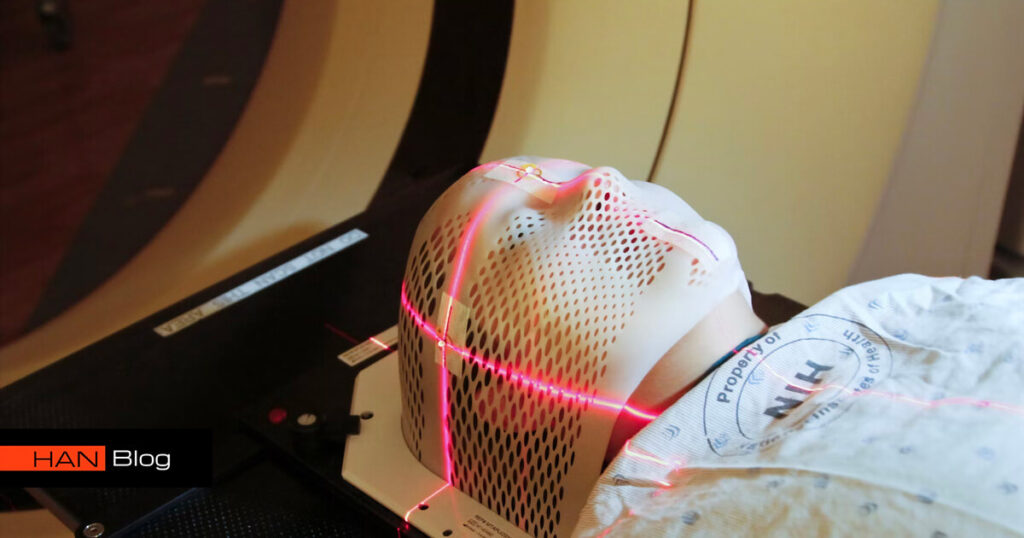
The field of medicine is constantly evolving, driven by groundbreaking advancements in technology. From diagnosing diseases to providing cutting-edge treatments, these innovations have revolutionized patient care and outcomes. In this article, we will explore the latest technologies that are reshaping the medical landscape. Join us as we dive into the world of AI-powered diagnostics, robotic surgeries, precision medicine, and telemedicine, uncovering the remarkable ways these technologies are shaping the future of healthcare.
AI-Powered Diagnostics: Transforming Medical Imaging
AI in Radiology: Artificial Intelligence (AI) is making significant strides in medical imaging interpretation. AI algorithms can analyze radiological scans, such as X-rays and MRI images, to detect abnormalities with higher accuracy and speed.
Early Detection: AI-enabled diagnostic tools can aid in early disease detection, especially in conditions like cancer, where early intervention significantly improves patient outcomes.
Reducing Errors: By reducing human error and providing second opinions, AI enhances diagnostic confidence and ensures patients receive the most accurate and timely treatment.
Robotic Surgeries: Precision and Minimally Invasive Procedures
Surgical Robotics: Robotic-assisted surgeries offer unparalleled precision and control to surgeons. These robotic systems translate a surgeon’s movements into precise surgical actions, enabling complex procedures with smaller incisions.
Minimally Invasive Approach: Robotic surgeries result in smaller incisions, leading to reduced blood loss, faster recovery times, and shorter hospital stays for patients.
Expanding Specialties: As robotic surgical systems continue to evolve, their applications expand across various medical specialties, including cardiac, gynecology, and urology.
Precision Medicine: Tailoring Treatment to Individual Patients
Genomic Sequencing: Precision medicine utilizes genomic sequencing to analyze a patient’s DNA and identify genetic variations. This information helps tailor personalized treatment plans based on an individual’s unique genetic profile.
Targeted Therapies: With precision medicine, targeted therapies can be developed to address specific genetic mutations, maximizing treatment effectiveness while minimizing side effects.
Improved Outcomes: By customizing treatment plans, precision medicine has shown promising results in improving patient outcomes, particularly in cancer treatment and rare genetic disorders.


Telemedicine: Expanding Access to Healthcare
Virtual Consultations: Telemedicine allows patients to consult with healthcare providers remotely, eliminating the need for in-person visits in non-emergency cases.
Remote Monitoring: Through telemedicine, patients can use wearable devices to monitor their health parameters, enabling healthcare providers to track progress and intervene proactively.
Accessibility: Telemedicine bridges geographical barriers, providing healthcare access to remote and underserved areas, ultimately improving overall healthcare equity.
The Potential Benefits of Advanced Medical Technologies
Faster Diagnoses: Advanced medical technologies, such as AI-powered diagnostics, enable quicker and more accurate disease identification, leading to timely interventions.
Enhanced Precision: Technologies like robotic surgeries and precision medicine offer unparalleled precision, minimizing damage to healthy tissues and maximizing treatment efficacy.
Reduced Healthcare Costs: Early detection and personalized treatments through these technologies can lead to cost savings in the long term by preventing complications and hospitalizations.
Challenges in Implementing Advanced Medical Technologies
Implementing advanced medical technologies presents several challenges that healthcare organizations must navigate. Firstly, the high initial costs of acquiring and integrating these technologies can be a significant barrier, especially for smaller healthcare facilities with limited budgets. Secondly, healthcare professionals require specialized training and education to effectively utilize and interpret data from these complex technologies. Additionally, ensuring robust data security and privacy measures is crucial, as these technologies often rely on sensitive patient information. Overcoming these challenges is essential to fully harness the potential benefits that advanced medical technologies offer in improving patient care and outcomes.
Conclusion
The latest technologies in medicine are reshaping healthcare, offering promising advancements in diagnostics, treatments, and patient care. From AI-powered diagnostics to robotic surgeries, precision medicine, and telemedicine, these innovations are transforming the medical landscape. Embracing these technologies brings the potential for faster diagnoses, improved precision in treatments, and enhanced accessibility to healthcare. However, as with any advancement, challenges must be addressed to ensure a seamless integration into the healthcare system. As these technologies continue to evolve, their impact on patient outcomes and the future of medicine is undoubtedly promising.
Frequently Asked Questions:
Some of the latest technologies in medicine include AI-powered diagnostics for faster and more accurate disease detection, robotic surgeries for precise and minimally invasive procedures, and precision medicine that tailors treatments based on individual genetic profiles.
AI-powered diagnostics can benefit patients by enabling faster diagnoses, leading to timely interventions and improved treatment outcomes. Healthcare providers benefit from increased diagnostic accuracy and efficiency, allowing them to make well-informed decisions for their patients.
Telemedicine plays a crucial role in modern healthcare by expanding access to medical services, allowing patients to consult with healthcare providers remotely. It also facilitates remote monitoring of patients’ health parameters, leading to proactive interventions and improved overall healthcare accessibility.
How useful was this post?
Click on a star to rate it!
Average rating 5 / 5. Vote count: 2
No votes so far! Be the first to rate this post.
We are sorry that this post was not useful for you!
Let us improve this post!
Tell us how we can improve this post?