
Welcome to the world of diesel-powered cars, where efficiency and power unite to offer an exceptional driving experience. In this article, we will explore the unique advantages of cars equipped with diesel engines and delve into the fascinating mechanics that drive these vehicles. From fuel economy to torque, we’ll cover it all, providing a comprehensive understanding of why diesel engines remain a popular choice among car enthusiasts.
The Advantages of Diesel Engines
Diesel engines bring a host of benefits that make them an attractive option for many drivers. Let’s explore some of the significant advantages they offer:
Superior Fuel Efficiency: One of the primary reasons for the popularity of diesel engines is their exceptional fuel efficiency. Diesel fuel contains a higher energy content, resulting in more miles per gallon (MPG) compared to gasoline engines. This efficiency translates to cost savings and reduced carbon emissions.
Impressive Torque and Power: Diesel engines are renowned for their robust torque output. Torque is essential for tasks like towing and accelerating from low speeds. Diesel-powered cars often offer more pulling power, making them ideal for heavy-duty applications.
Longevity and Durability: Diesel engines are built to withstand higher compression ratios, making them more durable in the long run. They have a longer lifespan than gasoline engines, providing reliable performance over extended periods.
Lower Carbon Dioxide Emissions: Although diesel engines produce more nitrogen oxides (NOx) and particulate matter (PM) than gasoline engines, they emit less carbon dioxide (CO2). This reduced CO2 emission contributes to mitigating the greenhouse effect.
How a Diesel Engine Operates
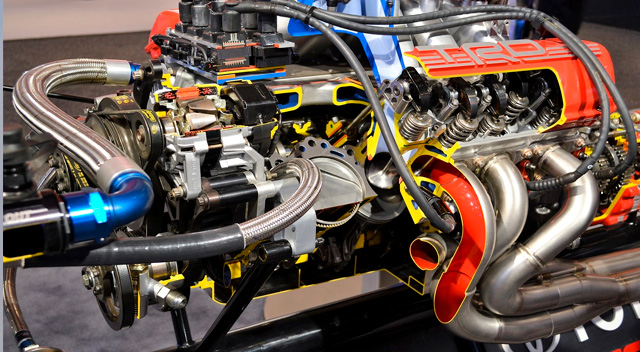
Understanding the internal workings of a diesel engine can deepen our appreciation for its advantages. Let’s take a closer look at the operation of these marvels of engineering:
Intake Stroke: During the intake stroke, the engine’s intake valve opens, allowing air to enter the combustion chamber. Unlike gasoline engines, diesel engines don’t use a throttle valve, which means the air intake is unrestricted.
Compression Stroke: In the compression stroke, the piston moves upward, compressing the air in the combustion chamber to high pressures and temperatures. This compression causes the air to heat up significantly.
Fuel Injection: Near the end of the compression stroke, the fuel injection system sprays a fine mist of diesel fuel into the hot, compressed air. The fuel ignites spontaneously due to the high temperature, without the need for a spark plug.
Power Stroke: As the diesel fuel ignites, it rapidly expands, driving the piston downward. This power stroke creates the force that propels the vehicle forward.
Exhaust Stroke: Finally, during the exhaust stroke, the exhaust valve opens, and the piston pushes the burnt gases out of the combustion chamber and into the exhaust system.
Maintenance and Tips for Diesel Engine Cars
Owning a diesel-powered car comes with the responsibility of proper maintenance. Here are some essential tips to keep your diesel engine running smoothly:
Regular Oil Changes: Diesel engines operate at higher temperatures, so it’s crucial to perform oil changes at recommended intervals to keep the engine lubricated and functioning optimally.
Quality Fuel: Use high-quality diesel fuel to prevent impurities from clogging the fuel injectors and affecting engine performance.
Glow Plug Maintenance: Check and replace faulty glow plugs regularly, as they play a crucial role in starting the engine, especially in cold weather.
Air Filter Replacement: Regularly inspect and replace the air filter to ensure a continuous supply of clean air to the engine.
Professional Servicing: Seek professional servicing from experienced mechanics familiar with diesel engines to address any issues effectively.
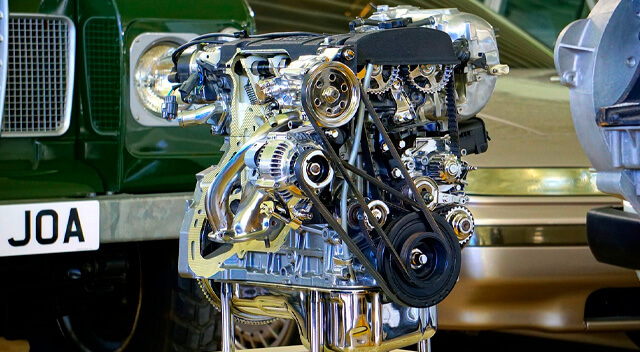
A typical diesel car engine consists of several key components that work together to generate power and propel the vehicle forward. Let’s explore these components:
Cylinder Block: The cylinder block is the main structure of the engine, housing the cylinders where the combustion takes place. It provides support for various engine components and forms the foundation of the engine.
Pistons: Pistons are cylindrical components that move up and down within the cylinders. During the combustion process, the expanding gases push the pistons downward, converting the energy into mechanical motion.
Cylinder Head: Positioned on top of the cylinder block, the cylinder head contains the intake and exhaust valves and forms the combustion chamber. It helps seal the cylinders and controls the flow of gases in and out of the engine.
Crankshaft: The crankshaft is a vital rotating component that converts the reciprocating motion of the pistons into rotational motion. It transfers power from the pistons to the transmission and eventually to the wheels.
Connecting Rods: Connecting rods connect the pistons to the crankshaft, enabling the transfer of linear motion into rotational motion. They play a crucial role in transmitting the force from the pistons to the crankshaft.
Fuel Injectors: Diesel engines use fuel injectors to spray precise amounts of diesel fuel directly into the combustion chambers. The injectors are controlled electronically and deliver fuel at high pressure for efficient combustion.
Glow Plugs: Glow plugs are used in diesel engines to aid in starting the engine, especially in cold weather. They heat the air in the combustion chambers before ignition, ensuring smooth engine startup.
Turbocharger: Many diesel engines are equipped with a turbocharger, which increases the intake air pressure and density, leading to better combustion and improved engine performance.
Exhaust System: The exhaust system channels the burnt gases from the combustion process out of the engine and directs them away from the vehicle. It includes components like the exhaust manifold, catalytic converter, and muffler.
Oil Pump and Lubrication System: The oil pump circulates engine oil throughout the engine to lubricate moving parts, reducing friction and wear.
Cooling System: The cooling system regulates the engine’s temperature to prevent overheating. It includes a water pump, radiator, cooling fan, and thermostat.
Timing Belt or Timing Chain: The timing belt or timing chain synchronizes the engine’s camshaft and crankshaft, ensuring proper valve timing for efficient combustion.
These components work together in harmony, enabling diesel engines to deliver the power, efficiency, and reliability that have made them popular choices in the automotive industry.
Conclusion
Diesel engines have proven themselves as efficient, powerful, and durable options for car owners. With superior fuel economy, impressive torque, and lower CO2 emissions, they continue to be a popular choice in the automotive industry. Understanding the mechanics of diesel engines enhances our appreciation for their advantages and encourages responsible ownership through regular maintenance. As technology advances, we can expect even more innovations in diesel engine design, further solidifying their position as a reliable and sustainable option for driving enthusiasts around the world.
Frequently Asked Questions:
Diesel engines are more fuel-efficient due to their higher compression ratios and the energy content of diesel fuel, which results in better mileage and reduced fuel consumption.
A turbocharger increases the intake air pressure and density, allowing more air to enter the engine’s cylinders. This results in improved combustion, increased power output, and better overall engine performance.
Glow plugs preheat the air in the combustion chambers, making it easier to ignite the diesel fuel, especially during cold starts. They are most useful in colder climates or when the engine has been inactive for an extended period.
How useful was this post?
Click on a star to rate it!
Average rating 5 / 5. Vote count: 2
No votes so far! Be the first to rate this post.
We are sorry that this post was not useful for you!
Let us improve this post!
Tell us how we can improve this post?