
Advancements in medical technology have revolutionized patient care, and one such groundbreaking innovation is the use of lasers in medicine. From precise surgeries to non-invasive treatments, lasers have found numerous applications in various medical fields, providing safer and more effective solutions. In this article, we will delve into the fascinating world of medical lasers, exploring their versatile uses and how they have transformed modern healthcare. Whether it’s in ophthalmology, dermatology, or even dentistry, lasers have become indispensable tools in the hands of skilled medical professionals, offering a new frontier in patient care and treatment.
Understanding Medical Lasers:
Before we explore the specific applications, let’s understand what medical lasers are. A laser, which stands for “Light Amplification by Stimulated Emission of Radiation,” emits intense, focused beams of light of a single wavelength. Medical lasers are designed to interact with specific tissues in the body, allowing for precise and controlled treatment.
Laser Applications in Medicine:
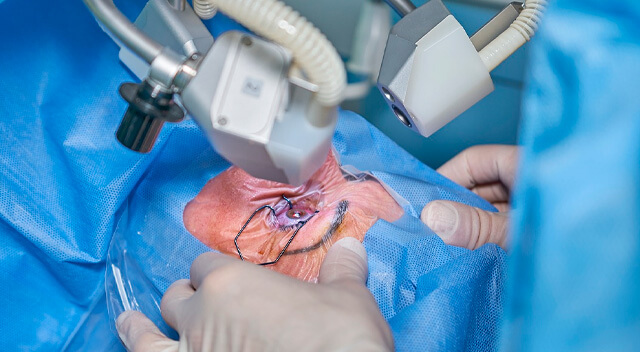
Laser Surgeries: One of the most significant applications of medical lasers is in surgery. The focused and precise nature of laser beams enables surgeons to perform intricate procedures with minimal damage to surrounding tissues. Laser surgeries are used in various fields, including ophthalmology, where they correct vision problems and treat conditions like cataracts. Additionally, laser surgeries are employed in gynecology, urology, and ENT (ear, nose, and throat) surgeries, among others.
Dermatology and Aesthetics: Lasers have become a game-changer in dermatology and aesthetics. They are used for various cosmetic procedures, such as laser hair removal, tattoo removal, and skin resurfacing to improve skin texture and reduce the appearance of scars and wrinkles. Laser technology offers a non-invasive approach with less downtime compared to traditional surgical methods.
Dentistry: Dental lasers have transformed dental treatments, making procedures more comfortable and efficient. Lasers are used in various dental applications, including treating gum disease, teeth whitening, and removing oral lesions. Laser dentistry minimizes bleeding, reduces the need for anesthesia, and promotes faster healing.
Cancer Treatment: In oncology, lasers are used for photodynamic therapy, a targeted treatment for certain types of cancer. Photodynamic therapy involves administering a light-sensitive drug that accumulates in cancer cells. When exposed to laser light, the drug becomes active and destroys the cancer cells while sparing healthy tissue.
Endoscopy: Medical lasers play a vital role in endoscopy, a minimally invasive procedure used to diagnose and treat gastrointestinal conditions. Lasers are used to remove tumors, coagulate bleeding vessels, and perform tissue biopsies through an endoscope, reducing the need for traditional open surgeries.
Pain Management: Low-level laser therapy (LLLT) is utilized in pain management to relieve chronic pain conditions, such as arthritis and musculoskeletal injuries. LLLT stimulates cell regeneration, reduces inflammation, and enhances tissue healing.
Safety Considerations:
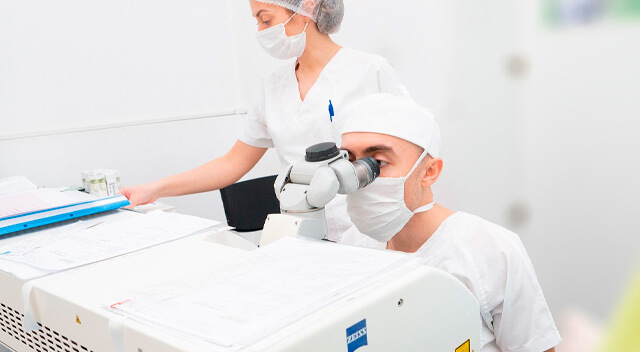
While medical lasers offer significant benefits, their use requires adherence to strict safety protocols. Proper training, precise calibration, and protective measures are essential to avoid potential risks. It is crucial for medical professionals to understand the specific properties and safety guidelines associated with different types of medical lasers.
Conclusion
The use of lasers in medicine has transformed the healthcare landscape, offering a range of safe and effective treatments across various medical disciplines. From precision surgeries to cosmetic procedures, dental treatments, and cancer therapies, medical lasers have revolutionized patient care, providing more precise, less invasive, and faster solutions. As technology continues to advance, the applications of medical lasers are likely to expand, further enhancing patient outcomes and quality of life. As we move forward, the continued integration of medical lasers into healthcare practices promises an exciting future with even more groundbreaking innovations and advancements in patient care.
How useful was this post?
Click on a star to rate it!
Average rating 0 / 5. Vote count: 0
No votes so far! Be the first to rate this post.
We are sorry that this post was not useful for you!
Let us improve this post!
Tell us how we can improve this post?